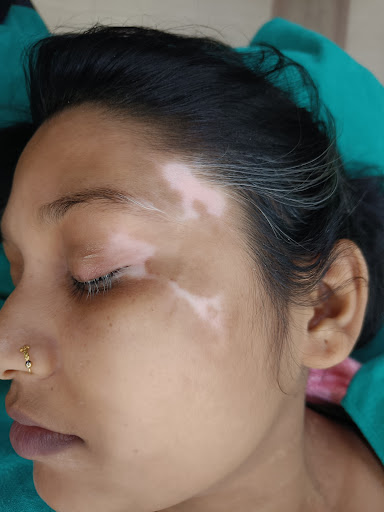
Vitiligo vulgaris, Leucoderma.UVB therapy, specifically Narrowband UVB (NB-UVB), is a common and…
Vitiligo vulgaris, Leucoderma.UVB therapy, specifically Narrowband UVB (NB-UVB), is a common and effective treatment for vitiligo, a condition characterized by the loss of skin pigment. Here's an overview of UVB therapy for vitiligo:
How it Works: UVB therapy involves exposing the skin to ultraviolet B light, which stimulates melanocytes (pigment-producing cells) in the skin to produce melanin. Narrowband UVB emits a specific wavelength of UVB light (around 311-312 nanometers), which is believed to be more effective and safer than broad-spectrum UVB light.
Treatment Sessions: During NB-UVB therapy, the affected areas of the skin are exposed to UVB light in a controlled manner. Treatment sessions typically take place in a dermatologist's office or clinic. The frequency and duration of sessions vary depending on factors such as the extent of vitiligo, skin type, and individual response to treatment.
Duration of Treatment: NB-UVB therapy for vitiligo often requires multiple sessions over several weeks or months to achieve noticeable results. Initially, treatments may be scheduled 2-3 times per week, with the frequency gradually decreasing as pigmentation improves.
Safety: NB-UVB therapy is generally considered safe when performed under the supervision of a dermatologist or healthcare professional. The UVB doses are carefully monitored and adjusted based on the patient's skin type and response to treatment to minimize the risk of sunburn or other side effects.
Effectiveness: