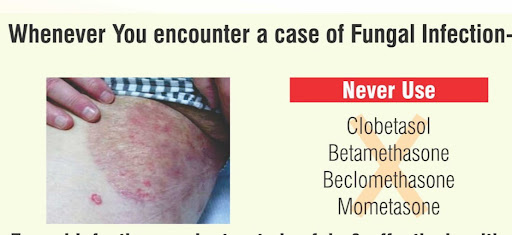
Fungal infections can affect various parts of the body, including the skin, nails, and internal o…
Fungal infections can affect various parts of the body, including the skin, nails, and internal organs. Treatment depends on the type of fungus and the location of the infection. Common treatments include: ### 1. **Topical Antifungal Medications** These are applied directly to the affected area. They're often used for superficial fungal infections like: - **Athlete's foot** (tinea pedis) - **Ringworm** (tinea corporis) - **Jock itch** (tinea cruris) - **Yeast infections** (Candida infections, often affecting the skin, mouth, or genitals) Examples include: - Clotrimazole - Miconazole - Terbinafine ### 2. **Oral Antifungal Medications** For more severe or widespread fungal infections, oral antifungal medications may be necessary. These are especially useful for: - **Nail fungus** (onychomycosis) - **Systemic fungal infections** - **Severe skin infections** Common oral antifungals include: - Fluconazole - Itraconazole - Terbinafine - Ketoconazole ### 3. **Intravenous (IV) Antifungals** Severe or invasive fungal infections, particularly in immunocompromised patients (e.g., those with HIV/AIDS, undergoing chemotherapy, or post-transplant patients), may require IV antifungal treatments. These infections may affect internal organs like the lungs, bloodstream, or brain. Examples of IV antifungals include: - ### 4. **Antifungal Shampoo** For fungal infections .