Skip to content
Delhi, Delhi, 110051

Business hours

Hair and Skin Clinic Laxmi Nagar

Monday
11am-8pm
Tuesday
11am-8pm
Wednesday
11am-8pm
Thursday
11am-8pm
Friday
11am-8pm
Saturday
11am-8pm
Sunday
11am-8pm

You can anytime during the day with your query.

9990804086

Latest Posts & Updates

Fresh stories, announcements and offers about Dermatologist, Medical centre, Wellness Centre, straight from our business.

Punch grafting treatment for Vitiligo.Punch grafting is a surgical technique that can be used in…

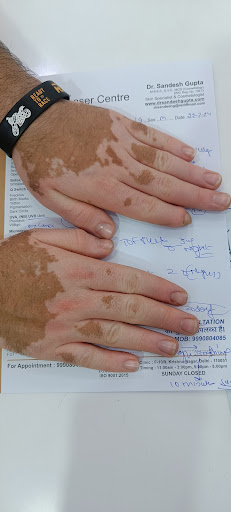
Punch grafting treatment for Vitiligo.Punch grafting is a surgical technique that can be used in the treatment of vitiligo, a condition characterized by the loss of pigment in certain areas of the skin. In punch grafting for vitiligo, small sections of healthy, pigmented skin are removed from one area of the body and transplanted into areas affected by vitiligo. Dermatologist in Delhi Laxmi Nagar Here's how the procedure typically works: 1. **Selection of Donor Skin**: The surgeon identifies areas of the body with healthy, pigmented skin that can serve as donor sites. These donor sites are typically areas that are easily concealable and match the skin color of the recipient site. 2. **Harvesting Grafts**: Using a small tool called a punch biopsy instrument, the surgeon removes tiny circular sections of skin, usually around 1 to 4 millimeters in diameter, from the donor site. These skin grafts contain melanocytes, the pigment-producing cells responsible for skin color. 3. **Preparing Recipient Sites**: The surgeon prepares the recipient sites on the areas affected by vitiligo. This may involve remov 4. **Graft Placement**: The harvested skin grafts are then transplanted into the recipient sites. The surgeon carefully places each graft into its designated location, ensuring proper alignment and coverage of the affected area. 5. **Postoperative Care**: After the procedure, the patient may be instructed to keep the treated areas covered .

Punch grafting treatment for Vitiligo.Punch grafting is a surgical technique that can be used in… post imageRead full post

Fractional laser 2 treatment is an advanced cosmetic procedure designed to rejuvenate and resurfa…

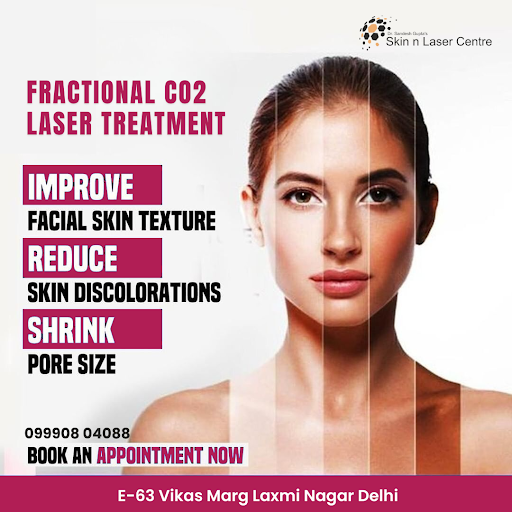
Fractional laser 2 treatment is an advanced cosmetic procedure designed to rejuvenate and resurface the skin, offering remarkable results with minimal downtime. This cutting-edge technology works by delivering precise laser energy to targeted areas of the skin, creating microscopic channels known as microthermal zones. These microthermal zones stimulate the body's natural healing response, promoting collagen production and skin renewal. As a result, it effectively reduces the appearance of wrinkles, fine lines, acne scars, pigmentation issues, and sun damage, while also improving skin texture and tone. Fractional laser 2 treatment is suitable for various skin types and can be customized to address specific concerns, providing patients with smoother, firmer, and more youthful-looking skin. Fractional CO2 laser treatment is a popular option for skin rejuvenation and addressing various skin concerns. It works by delivering tiny beams of light to the skin, creating microscopic injuries that stimulate the body's natural healing response and collagen production. This leads to skin remodeling and improvement in texture, tone, and appearance. Here's how fractional CO2 laser treatment works and what it can address: 1. **Procedure**: During the procedure, the dermatologist or skincare professional will apply a numbing cream or local anesthesia to minimize discomfort. The fractional CO2 laser is then passed over the skin, delivering controlled pulses of laser energy.

Fractional laser 2 treatment is an advanced cosmetic procedure designed to rejuvenate and resurfa… post imageRead full post

Unlock the secrets to radiant skin with our expert dermatologists. From personalized skincare rou…

Unlock the secrets to radiant skin with our expert dermatologists. From personalized skincare routines to transformative beauty treatments, we're dedicated to enhancing your natural glow. Trust the professionals to reveal your best self. #SkinCareGoals #BeautyExperts #HealthySkinJourney ✨When searching for a skin care clinic, you'll want to consider several factors to ensure you find one that meets your needs and offers quality care. Here are some steps to help you find a reputable skin care clinic: 1. **Research**: Start by researching skin care clinics in your area. You can use online resources such as Google Maps, Yelp, or health directories to find clinics near you. Look for clinics with positive reviews and ratings from previous patients. 2. **Check Credentials**: Verify the credentials of the clinic and its staff. Ensure that the clinic is licensed and accredited by relevant regulatory bodies. Additionally, check the qualifications and experience of the dermatologists or skincare specialists working at the clinic. 3. **Services Offered**: Consider the range of services offered by the clinic. Some clinics specialize in specific treatments such as acne treatment, anti-aging procedures, or dermatologic surgery, while others offer a comprehensive range of skincare services. Choose a clinic that offers the treatments you're interested in. 4. **Technology and Equipment**: Assess the technology and equipment used at the clinic. Best Dermatologist.

Unlock the secrets to radiant skin with our expert dermatologists. From personalized skincare rou… post imageRead full post

Enhance your natural beauty with micropigmentation! 💫Dermatologist in East Delhi Say hello to eff…

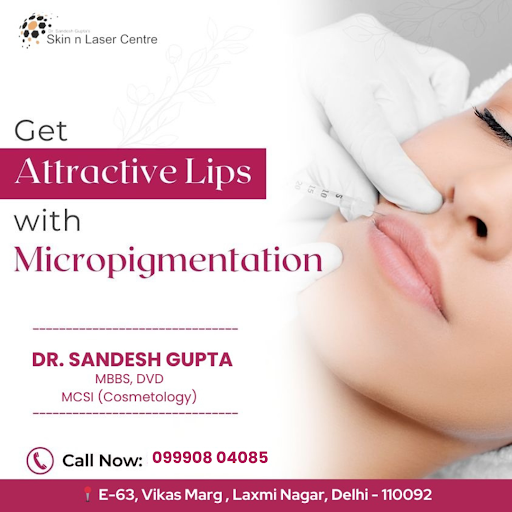
Enhance your natural beauty with micropigmentation! 💫Dermatologist in East Delhi Say hello to effortless confidence with permanent makeup that lasts. #MicropigmentationMagic #BeautyEnhanced #EffortlessGlam #PermanentMakeup #ConfidenceBoost #FlawlessBeauty #InkPerfection #TimeSaver #WakeUpBeautiful #SlayAllDay #GameChanger #DefineYourBeauty #ArtistryAtWork #MicropigmentationMastery #EmbraceYourNatural #GlowUpGoals Micropigmentation, also known as permanent makeup or cosmetic tattooing, is a cosmetic procedure that involves depositing pigment into the skin's upper layers to enhance features such as eyebrows, eyeliner, lips, and scalp. Dermatologist in East Delhi shows some key points about micropigmentation: 1. **Procedure**: During micropigmentation, a specialized cosmetic tattooing device is used to implant pigment into the skin, creating semi-permanent or permanent makeup effects. The procedure is typically performed by a trained and certified micropigmentation specialist. 2. **Uses**: Micropigmentation can be used for various cosmetic purposes, including: - Eyebrow enhancement: Filling in sparse eyebrows or reshaping the brows. - Eyeliner: Defining the eyes with permanent eyeliner. - Lip color enhancement: Adding color and definition to the lips. - Scalp micropigmentation: Dermatologist in East Delhi Simulating the appearance of hair follicles on the scalp to create the illusion of a fuller head of hair.

Enhance your natural beauty with micropigmentation! 💫Dermatologist in East Delhi Say hello to eff… post imageRead full post

Microneedling, also known as collagen induction therapy, is a minimally invasive cosmetic procedu…

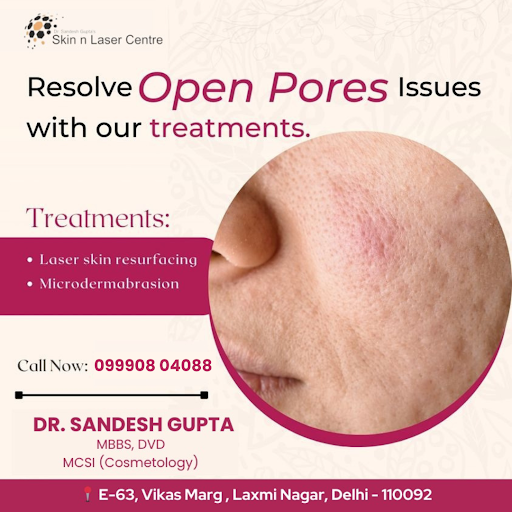
Microneedling, also known as collagen induction therapy, is a minimally invasive cosmetic procedure that involves the use of a device containing fine needles to create tiny punctures in the skin. Dermatologist in East Delhi does micro-injuries stimulate the body's natural healing process, leading to increased collagen and elastin production, which helps improve the skin's texture, firmness, and overall appearance.@ Dermatologist in East Delhi.Microdermabrasion is a non-invasive cosmetic procedure that exfoliates and rejuvenates the skin by removing the outermost layer of dead skin cells. It involves using a handheld device to gently sand or spray fine crystals onto the skin, which are then suctioned away along with the dead skin cells. Here are some key points about microdermabrasion: Dermatologist in East Delhi says about these procedures. 1. **Procedure**: During a microdermabrasion treatment, a trained skincare professional or dermatologist will use a specialized device to exfoliate the skin. The device delivers tiny crystals or a diamond-tipped wand to the skin's surface, Dermatologist in East Delhi is creating friction and gently removing the outer layer of dead skin cells. The suction component of the device then removes the exfoliated skin cells and debris. 2. Microdermabrasion offers several benefits for the skin, including: - Exfoliation: Dermatologist in East Delhi Removes dead skin cells, promoting cell turnover and revealing fresher, healthier skin.

Microneedling, also known as collagen induction therapy, is a minimally invasive cosmetic procedu… post imageRead full post

Vitiligo treatment UVB therapy, specifically Narrowband UVB (NB-UVB), is a common and effective t…

Vitiligo treatment UVB therapy, specifically Narrowband UVB (NB-UVB), is a common and effective treatment for vitiligo, a condition characterized by the loss of skin pigment. Here's an overview of UVB therapy for vitiligo: 1. Best Dermatologist in Laxmi nagar says UVB therapy involves exposing the skin to ultraviolet B light, which stimulates melanocytes in the skin to produce melanin. Narrowband UVB emits a specific wavelength of UVB light (around 311-312 nanometers), which is believed to be more effective and safer than broad-spectrum UVB light. 2. **Treatment Sessions Best Dermatologist in Laxmi Nagar make skin exposed to UVB light in a controlled manner. Best Dermatologist in Laxmi Nagar gives treatment sessions typically take place in a dermatologist's office or clinic. The frequency and duration of sessions vary depending on factors such as the extent of vitiligo, skin type, and individual response to treatment. 3. **Duration of Treatment**: NB-UVB therapy for vitiligo often requires multiple sessions over several weeks or months to achieve noticeable results. Initially, treatments may be scheduled 2-3 times per week, with the frequency gradually decreasing as pigmentation improves. 4. Best Dermatologist in Laxmi Nagar says NB-UVB therapy is generally considered safe when performed under the supervision of a dermatologist or healthcare professional. The UVB doses are carefully monitored and adjusted based on the patient's skin type .

Vitiligo treatment UVB therapy, specifically Narrowband UVB (NB-UVB), is a common and effective t… post imageRead full post

A hair mask is a deep conditioning treatment for the hair that is typically thicker and more conc…

A hair mask is a deep conditioning treatment for the hair that is typically thicker and more concentrated than regular conditioners. It is designed to penetrate the hair shaft and provide intense hydration, nourishment, and repair to damaged hair. Hair masks often contain a higher concentration of moisturizing and strengthening ingredients such as oils, proteins, vitamins, and other nutrients. They can help improve the overall health, texture, and appearance of the hair, making it softer, smoother, and more manageable. Hair masks are usually left on the hair for a longer period of time than regular conditioners, ranging from several minutes to several hours, depending on the product instructions and the level of conditioning needed. They are commonly used as part of a weekly hair care routine to maintain and enhance the condition of the hair.

Read full post

Hair masks and conditioners serve similar purposes in that they both aim to improve the condition…

Hair masks and conditioners serve similar purposes in that they both aim to improve the condition of the hair, but they differ in several key aspects: Concentration and Intensity: Hair masks are typically more concentrated and intense compared to regular conditioners. They contain higher levels of nourishing ingredients such as oils, proteins, and vitamins, which penetrate deeper into the hair shaft to provide more intensive hydration and repair. Purpose: Conditioners primarily focus on detangling, softening, and smoothing the hair's outer cuticle layer, making it easier to manage and style. Hair masks, on the other hand, are formulated to provide deeper hydration and repair to damaged or dry hair. They often target specific concerns such as split ends, frizz, or lack of moisture. Application and Duration: Conditioners are usually applied after shampooing and are rinsed out within a few minutes. Hair masks, however, are typically applied to clean, damp hair and left on for a longer period of time, ranging from several minutes to several hours, depending on the product's instructions. This extended duration allows the nourishing ingredients in the mask to deeply penetrate the hair and provide maximum benefits. Frequency of Use: Conditioners are typically used after every shampoo to maintain the hair's softness and manageability. Hair masks are usually used less frequently, often once a week or every few weeks, as they provide more intensive treatment and may not be necessa

Read full post

Botox Injections: Botulinum toxin injections, such as Botox, are used to reduce the appearance of…

Botox Injections: Botulinum toxin injections, such as Botox, are used to reduce the appearance of fine lines and wrinkles by temporarily paralyzing the muscles responsible for facial expressions. Dermal Fillers: Injectable dermal fillers, like hyaluronic acid-based products, are used to add volume, smooth wrinkles, and enhance facial contours. They are often used for lip augmentation, cheek enhancement, and filling in lines. Chemical Peels: Chemical peels involve the application of a chemical solution to the skin to exfoliate and improve its texture. They can help with issues like uneven skin tone, acne scars, and fine lines. Laser Hair Removal: Laser treatments are used to permanently reduce or remove unwanted hair by targeting the hair follicles with concentrated light. Laser Skin Resurfacing: This procedure uses laser technology to remove damaged skin layers, promoting collagen production and improving skin texture. It can address issues like fine lines, scars, and pigmentation problems. Microdermabrasion: This non-invasive procedure involves exfoliating the outer layer of the skin to improve its texture and tone. It is often used for mild acne scars, sun damage, and fine lines. Microneedling: Microneedling involves the use of tiny needles to create controlled micro-injuries in the skin, stimulating collagen production and improving the appearance of scars, wrinkles, and fine lines. Non-Surgical Facelifts: Non-surgical facelift procedures, such as thread lifts .

Read full post

Here's an overview of UVB therapy:

Purpose: UVB therapy is primarily used to treat skin conditions characterized by excessive skin cell growth or inflammation. The exposure to UVB light helps slow down the growth of affected skin cells and reduces inflammation. Types of UVB Therapy: Broadband UVB: Involves exposure to UVB light across a broad spectrum. Narrowband UVB: Uses a more specific range of UVB light, typically around 311 to 313 nanometers. Narrowband UVB is often preferred because it is believed to be more effective and has a lower risk of side effects compared to broadband UVB. Treatment Sessions: UVB therapy is administered in sessions, usually a few times per week. The duration of each session and the total number of sessions depend on the specific condition being treated, the severity of symptoms, and individual response to the treatment. Administration: UVB therapy can be administered in various ways: UVB Phototherapy Units: These are special machines equipped with UVB lights. Patients stand in front of or inside the unit during treatment sessions. Handheld UVB Devices: In some cases, smaller, handheld UVB devices may be used for localized treatment of specific areas. Protecting Unaffected Skin: During UVB therapy, it's important to protect areas of the skin that are not affected by the condition being treated. This is typically done using clothing or sunscreen to minimize the risk of sunburn. Duration of Treatment: The duration of UVB therapy can vary. Som

Read full post

Hair transplant is a surgical procedure that involves removing hair follicles from one part of th…

Hair transplant is a surgical procedure that involves removing hair follicles from one part of the body, usually the back or sides of the scalp (donor site), and transplanting them to an area with thinning or no hair (recipient site). This procedure is commonly used to treat male pattern baldness, but it can also be used to restore hair in other areas of the body. Here's a general overview of the hair transplant process: Consultation: The first step is a consultation with a qualified and experienced hair transplant surgeon. During this consultation, the surgeon will assess your hair loss, discuss your expectations, and determine if you are a suitable candidate for a hair transplant. Preparation: Before the surgery, you may be advised to avoid certain medications, including blood thinners, to minimize the risk of bleeding. Your surgeon will also provide instructions on how to prepare for the procedure. Donor Site Preparation: Hair follicles are typically harvested from the back or sides of the scalp, where hair is genetically programmed to grow for a lifetime. This area is called the donor site. Follicle Harvesting: There are two main methods for harvesting hair follicles: Follicular Unit Transplantation (FUT) and Follicular Unit Extraction (FUE). FUT: Involves removing a strip of scalp from the donor site, and then the individual follicles are dissected under a microscope before being transplanted. FUE: Involves extracting individual follicles directly from the donor si

Read full post